Imagine steering an aircraft at 400 miles per hour: every shift in wind, every unexpected event, and every data point must be analyzed and acted upon — instantly. Agile teams face a similar challenge, adapting their trajectories in fast-moving environments to achieve their goals.
A flight crew meticulously plans every mission, estimating fuel, flight time, and execution details based on known and expected parameters. On mission day, they gather updated weather reports and mission changes, preparing to respond to the unexpected.
Commercial flight crews receive live weather and flight data updates every few minutes, requiring constant course corrections.
Once the aircraft is airborne, crew members continuously evaluate actual speeds and headings, comparing the plane’s position with the original flight plan. At every measurement, they ask: “Are we deviating from the plan? Why?” They investigate causes such as unexpected wind directions or discrepancies between planned and actual headings and speed. Using this new information, they adjust the flight plan to stay on course — repeating this inspect-and-adapt process throughout the mission.
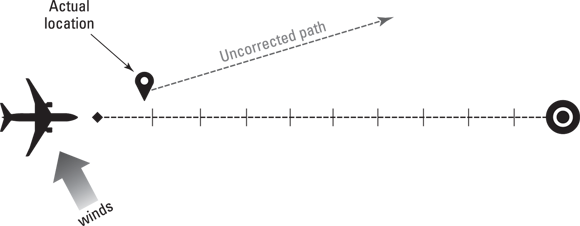
A continuous process of evaluating current progress, learning from new data, and adjusting plans to achieve objectives.
An approach that relies on observation, measurement, and adaptation rather than fixed predictions, central to Scrum and agile methods.
Agile teams, like flight crews, use frequent check-ins (such as daily stand-ups and sprint reviews) to assess their direction and make course corrections based on the latest data.
Scrum’s sprint cycles are designed for regular inspection and adaptation, making them ideal times to welcome new information and improve plans.
What parallels can you draw between the way flight crews correct their course and how agile teams adapt their plans?
Want to go deeper? The science behind adaptation in agile teams
Empirical process control is rooted in the idea that complex, rapidly changing environments cannot be managed by rigid plans alone. By consistently collecting and analyzing data, teams can identify trends, detect deviations, and respond effectively. This cycle — inspect, adapt, repeat — is what enables both flight crews and agile teams to achieve their mission objectives, even when faced with uncertainty.
In Scrum, sprints provide structured opportunities to reevaluate and improve plans. New information is not feared but welcomed and applied in a transparent organization committed to product success.
The flight crew repeats this inspect-and-adapt process over and over to ensure a mission’s success.
- Flight crews and agile teams both rely on real-time information to correct course.
- Inspect-and-adapt is essential for achieving objectives in dynamic environments.
How does the idea of “welcoming new information” challenge traditional approaches to planning and control?
Producing detailed status reports is necessary for maintaining control over a project.
Agile organizations minimize redundant reporting, focusing instead on transparent communication and direct adaptation using real-time data.

Avoiding the costly overhead of redundant or bureaucratic parallel processes is important. We’ve worked with well-intentioned organizations that expend more effort in measuring status and producing status slides than they expend building products, hoping to maintain control or avoid uncertainty. Creating status reports is an unnecessary parallel activity. An organization that has transformed to being agile and has fully adopted scrum lets go of these artifacts and embraces the new way.
Apply the inspect-and-adapt mindset in a simulated scenario.
- Imagine your team has just completed a sprint, but customer feedback reveals unexpected needs.
- List three data points you would collect to understand the deviation from your plan.
- Describe how you would adjust your next sprint plan to address these findings.
Have you ever seen a project lose momentum due to excessive reporting? What could have been done differently?
Describe a time when you or your team adapted plans based on new information. What was the outcome, and what did you learn from the process?
What is the primary reason agile organizations avoid redundant status reporting?
Constant inspection and adaptation, based on real-time data, is essential for agile teams to achieve their objectives and maintain momentum.
Agile organizations thrive by welcoming new information, minimizing unnecessary processes, and focusing on transparent, direct communication.
The Shift
- Adapting plans based on empirical data ensures teams stay aligned with objectives and respond effectively to change.
- Minimizing redundant reporting frees resources for productive work and real-time adaptation.
- Sprints in Scrum provide regular opportunities to inspect progress, welcome new information, and improve plans.